When should advanced treatment enter the conversation?
Dr. Gheith discusses diagnosis, patient goals, and the range of options beyond medications, repeated injections, or major surgery.
Read the Q&ABIOGRAPHY
Ramis Gheith, MD, MS, BSN, FASA · Interventional pain physician, researcher, and medical leader.
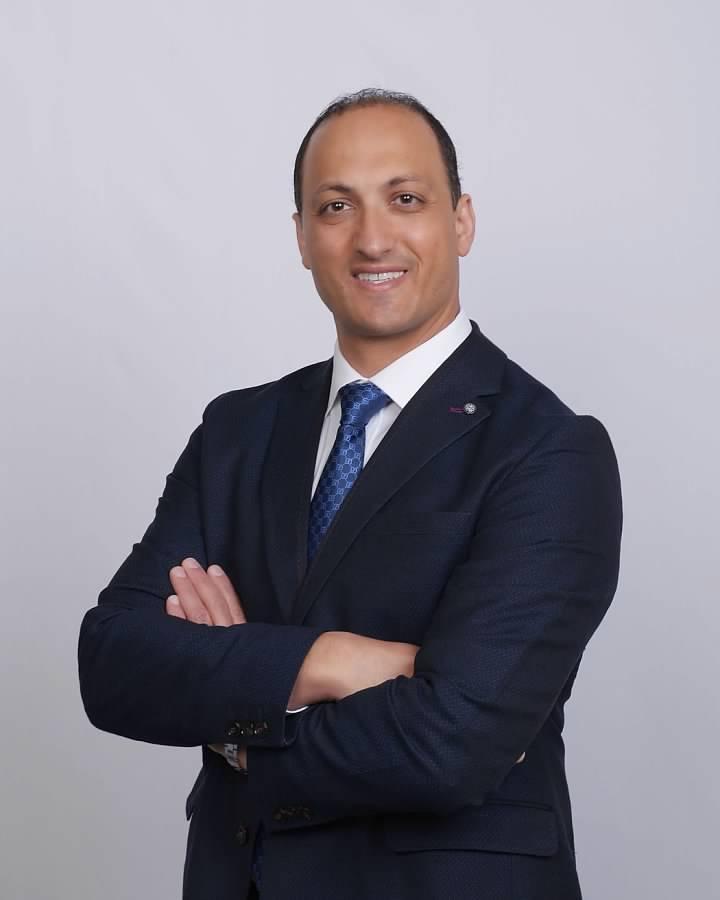
Dr. Gheith began his healthcare career as a registered nurse. The experience gave him an early appreciation for how chronic pain can affect much more than physical health: independence, relationships, work, and quality of life.
He earned a Bachelor of Science in Nursing at the University of Akron, a Master of Science at the American University of the Caribbean School of Medicine, and a Doctor of Medicine at Saba University School of Medicine. His postgraduate training included an internal medicine internship, an anesthesiology residency, and a fellowship in interventional pain management.
During anesthesiology training, he became increasingly drawn to the combination of physiology, procedural medicine, and problem-solving involved in pain care. Interventional pain medicine offered the opportunity to build long-term patient relationships while using advanced therapies to support function.
Dr. Gheith emphasizes listening carefully, identifying the source of a patient’s limitations, and developing a treatment strategy around that individual’s goals. His clinical interests include neuromodulation, spinal cord stimulation, intrathecal drug delivery, minimally invasive spine procedures, and vertebral augmentation.
He serves as Chief Medical Officer of DxTx Pain and Spine and Medical Director of Interventional Pain Institute. His professional work also includes clinical research, invited presentations, editorial service, and physician education.
“The real objective is restoring function and quality of life.”— Dr. Ramis GheithEducation, training & credentials
PROFESSIONAL PERSPECTIVES
Dr. Gheith discusses diagnosis, patient goals, and the range of options beyond medications, repeated injections, or major surgery.
Read the Q&AHis perspective on innovation begins with the fundamentals: careful patient selection, sound clinical judgment, and an accurate diagnosis.
Read the Q&A